August 28, 2026
Communities need dependable energy solutions that can support homes, businesses, and public facilities without creating unnecessary environmental strain. Geothermal energy offers one approach by using the relatively stable temperatures beneath the earth's surface for heating and cooling. Unlike systems that depend on burning fuel directly at a property, geothermal systems transfer naturally occurring underground heat to provide useful indoor climate control. This makes geothermal drilling services an important part of expanding access to renewable energy at the local level.
As more property owners consider ways to reduce energy consumption and operating costs, geothermal systems can provide an alternative to conventional heating and cooling equipment. Properly designed systems can serve residential and commercial properties while delivering consistent performance throughout changing seasons. The process begins below ground, where qualified drilling professionals establish the infrastructure needed to connect a property with the earth's natural thermal resources.
Supporting Broader Access to Renewable Energy
Using the Earth as a Local Energy Resource
Geothermal systems can make renewable energy available without requiring a property to depend on a large centralized generation facility. Instead, a geothermal heat pump uses the relatively consistent temperature below the surface to exchange heat with the ground. During colder months, the system can draw available thermal energy from underground and transfer it indoors.
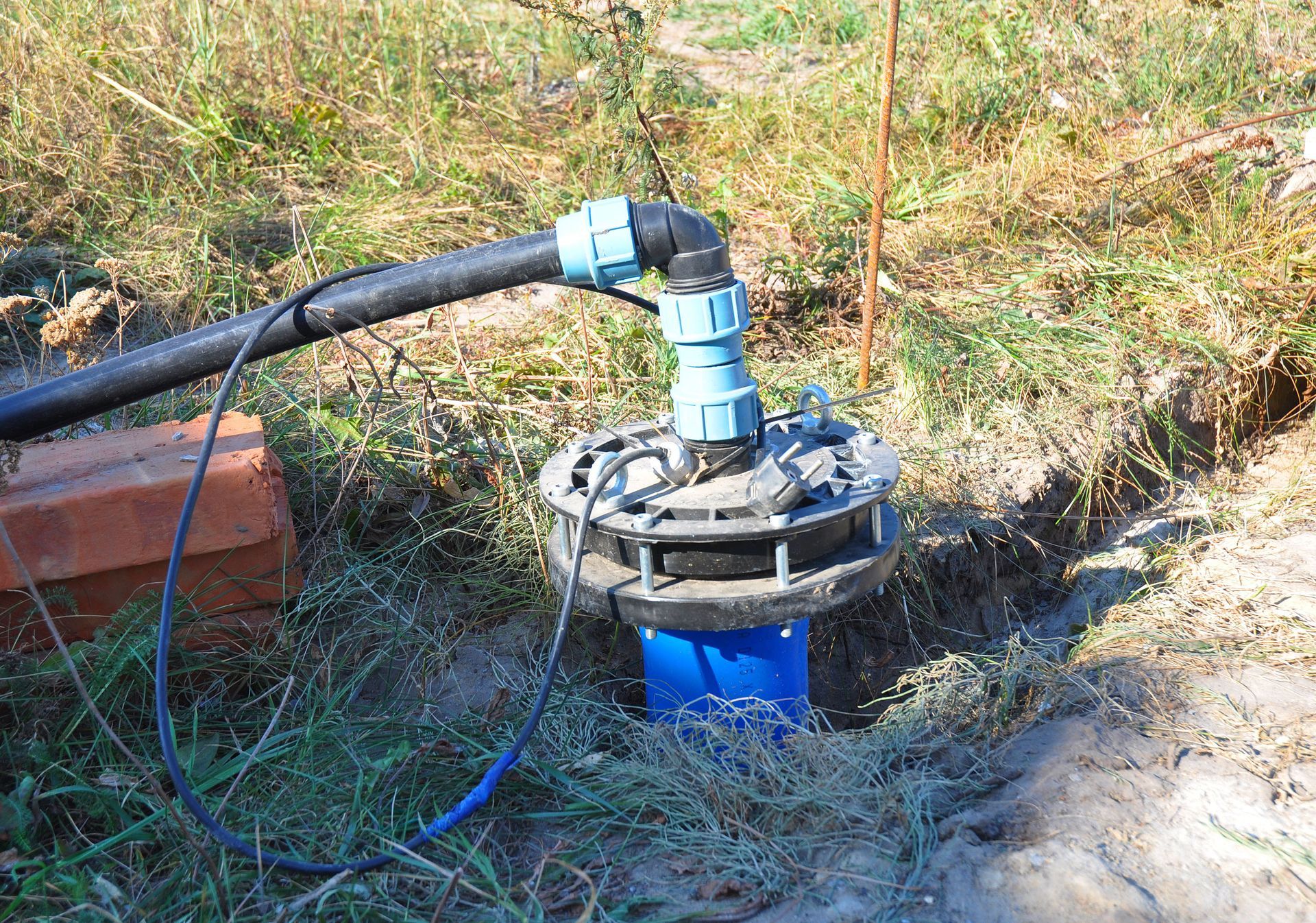
During warmer months, the process can reverse, moving heat away from the building and into the ground. Geothermal drilling services make this exchange possible by establishing the underground loops or wells that connect the property to its surrounding thermal environment. Because the energy source is located beneath the property, communities can incorporate geothermal heating and cooling into individual homes, businesses, schools, and other facilities.
Expanding Energy Options for Property Owners
Greater energy diversity can give communities more options when planning for long-term heating and cooling needs. Conventional HVAC systems can depend heavily on electricity or combustible fuels, while geothermal systems use electricity to move thermal energy rather than generating heat through combustion. This distinction can help property owners reduce their dependence on fossil fuels while maintaining year-round indoor comfort.
Building Local Renewable Energy Capacity
The potential scale of geothermal energy also demonstrates why this resource can contribute to broader energy planning. According to the U.S. Department of Energy, geothermal resources could provide as much as 90 gigawatts of electricity in the United States by 2050. While geothermal heating and cooling systems operate differently from geothermal power plants, both applications rely on the earth's underground thermal resources.
This broader potential highlights the importance of developing practical ways to access geothermal energy where geological and property conditions make it suitable. By helping individual properties establish connections with underground heat, geothermal drilling services can contribute to a more diverse energy landscape in communities.
Improving Efficiency for Homes and Businesses
Reducing Heating and Cooling Expenses
Heating and cooling represent significant operating expenses for many properties, particularly in regions that experience substantial seasonal temperature changes. Geothermal systems can help control these costs by transferring heat instead of creating it through conventional combustion. A properly designed residential system can provide heating during winter and cooling during summer using the same underlying equipment.
Commercial properties can also benefit from geothermal climate control, particularly buildings with substantial and consistent heating or cooling requirements. Geothermal drilling services support these applications by creating the underground infrastructure necessary for the system to exchange heat efficiently. Over time, improved efficiency can help property owners manage utility expenses while maintaining comfortable indoor environments.
Providing Consistent Year-Round Comfort
Outdoor temperatures can fluctuate significantly from season to season, but underground temperatures remain comparatively stable at the depths used by many geothermal systems. This stability gives geothermal heat pumps a dependable thermal environment from which to draw or reject heat. As a result, the same system can support both winter heating and summer cooling without requiring separate fuel-burning equipment for each season.
Serving Different Types of Properties
Community energy needs extend well beyond individual houses. Offices, retail buildings, manufacturing facilities, healthcare properties, educational institutions, and other commercial structures can all require substantial heating and cooling capacity. Geothermal systems can be designed around the specific demands of a building, making them suitable for applications ranging from smaller residential installations to larger commercial projects.
Professional geothermal drilling services can accommodate different site requirements by evaluating the property before installation and determining the appropriate loop configuration and drilling approach. This site-specific process helps ensure that the underground system supports the property's intended heating and cooling capacity rather than relying on a generic installation strategy.
Establishing Reliable Geothermal Infrastructure
Evaluating Underground Conditions
Successful geothermal installation begins with understanding the property and the conditions beneath it. Drilling professionals must consider factors such as available land, soil and rock characteristics, system requirements, and the configuration needed to provide adequate thermal exchange. A vertical closed-loop system may be appropriate where available surface space is limited, while horizontal configurations can be considered on properties with sufficient room for the necessary excavation.
Geothermal drilling services provide the specialized knowledge and equipment required to establish these underground systems according to the property's specific characteristics. Careful planning at this stage can help support efficient operation and minimize complications during installation.
Installing Closed-Loop Systems
Closed-loop geothermal systems circulate a heat-transfer fluid through underground piping, allowing the system to exchange thermal energy with the surrounding ground. The loops can be installed vertically or horizontally depending on site conditions and project requirements. Vertical systems typically involve drilling deeper boreholes and placing loop piping underground, while horizontal systems generally require more surface area but may involve shallower installation.
Maintaining Long-Term Performance
A geothermal system represents a substantial investment in a property's energy infrastructure, so installation quality and ongoing service both matter. Ground loops can have a long service life when properly installed, while the above-ground heat pump and related equipment require routine attention similar to other mechanical systems. Professional maintenance can help identify operational issues, preserve efficiency, and address repairs before minor problems become more disruptive.
Geothermal drilling services can also be valuable when a system requires inspection, repair, or modifications involving its underground components. Working with licensed and insured professionals who have experience with geothermal systems can help property owners maintain dependable performance after the initial installation.
Geothermal energy can provide communities with a practical way to diversify how properties receive heating and cooling. By tapping into the stable thermal conditions beneath the earth, individual buildings can access a renewable energy resource directly at the property level. This approach can benefit homeowners seeking lower operating expenses as well as businesses looking for efficient climate control with less dependence on conventional fuels.
The benefits can extend beyond individual properties when geothermal systems become part of a community's broader approach to energy use. More buildings using locally accessible renewable resources can create greater diversity in heating and cooling options while supporting environmental goals. Professional planning, drilling, loop installation, and maintenance are essential to making these systems work effectively, which is why experienced geothermal contractors are an important resource for property owners considering the transition.
For communities interested in expanding access to renewable energy, geothermal represents an opportunity to use a resource that exists beneath their properties every day. With appropriate site evaluation and professional installation, geothermal systems can provide efficient heating and cooling for residential and commercial buildings while reducing reliance on conventional energy sources. Contact Ace Well Drilling to discuss your property's potential for geothermal drilling and receive a professional assessment of the right system for your needs.