November 14, 2026
Drilling a new water well involves much more than simply creating a hole in the ground and installing a pump. The process requires careful planning, site evaluation, specialized equipment, testing, and attention to local regulations. Property owners may rely on professional well services to coordinate these stages and develop a dependable source of groundwater. Understanding what happens before, during, and after drilling can help property owners prepare for the project, communicate effectively with contractors, and make informed decisions about their water supply. From determining water needs to completing final quality tests, each stage contributes to the performance, safety, and longevity of the finished well.
Initial Consultation and Site Assessment
The process typically begins with a consultation to determine how much water the property requires and how the well will be used. Domestic households, farms, commercial facilities, and industrial properties may have significantly different water demands. Estimating expected consumption helps professionals determine suitable well dimensions, potential depth, pump capacity, and other specifications. Providers of well services may also review existing property information and discuss factors that could affect construction costs or the drilling schedule.
Selecting an appropriate drilling location is equally important. The site needs sufficient access for drilling rigs, compressors, support vehicles, and other equipment. Contractors must also consider property boundaries, septic systems, structures, utilities, potential contamination sources, and applicable setback requirements. Local geology and groundwater conditions can influence where a productive water source is most likely to be found. Careful placement may also simplify future maintenance by keeping the well accessible after landscaping or additional construction occurs.
Geological Conditions and Groundwater Planning
Understanding underground conditions helps guide decisions about drilling methods and anticipated depth. Soil composition, rock formations, aquifer characteristics, and groundwater levels can vary considerably from one property to another. Geological records, nearby well information, surveys, and local experience may provide useful clues about conditions beneath the site. However, actual drilling is often necessary to confirm what is underground.
A geological assessment can also identify potential challenges before major work begins. Hard rock formations may require different equipment than loose soil, while unstable formations may affect casing requirements. Groundwater depth can influence drilling costs and pump selection as well. Experienced well services use available geological information to establish a practical drilling strategy while recognizing that underground conditions can sometimes differ from initial expectations.
Permits and Regulatory Requirements
Before drilling begins, property owners and contractors must account for applicable permits and regulations. Requirements vary by jurisdiction and may address well placement, construction standards, casing materials, minimum distances from contamination sources, abandonment procedures, and water testing. Obtaining the proper authorization before work begins can prevent unnecessary delays or compliance problems later.
Contractors may coordinate with local or regional authorities to confirm that the proposed installation meets relevant standards. Documentation can also create an important record of the well's construction, depth, and location. Keeping copies of permits, drilling logs, testing results, and equipment information provides useful reference material for future repairs, property transactions, or system modifications.
Preparing the Property for Drilling
Once planning and permitting are complete, the property must be prepared for heavy drilling equipment. A clear access route is generally necessary so the rig and supporting vehicles can reach the selected location safely. Property owners may need to move vehicles, outdoor furniture, landscaping materials, or other obstacles. Contractors may also identify underground utility locations and establish a designated work zone.
Safety preparation is an important part of professional well services because drilling involves powerful machinery, moving equipment, pressurized systems, and changing ground conditions. Crews typically inspect equipment, establish operational procedures, and use appropriate protective gear. Organizing the work area before drilling starts helps minimize unnecessary disruptions and allows the crew to focus on completing the borehole safely and efficiently.
Beginning the Drilling Process
The drilling method used depends largely on geological conditions and the design of the proposed well. Rotary drilling is common in many applications, while cable tool, auger, or other methods may be appropriate in particular formations. The drilling crew advances through soil and rock while monitoring conditions and removing displaced material from the borehole.
Depth cannot always be predicted with complete precision before work begins. Although geological information can provide useful estimates, crews may encounter unexpected formations or groundwater conditions. Drilling continues until an appropriate water-bearing formation is reached and the well demonstrates sufficient potential for the intended use. According to HomeAdvisor, well drilling generally takes one to three days, depending on depth, location, and geological conditions. Additional construction, testing, and equipment installation can extend the overall project timeline beyond the drilling itself.
Managing Drilling Materials and Site Conditions
Drilling produces soil, rock fragments, fluids, and other materials that must be managed appropriately. Contractors may use containment areas or specialized equipment to collect drill cuttings and control fluids. Responsible handling helps keep the work area organized while reducing the possibility of unnecessary environmental disturbance.
Weather can also influence site conditions. Heavy rain may soften access routes or create muddy working areas, while freezing conditions can affect equipment and scheduling. Professional well services plan around these variables when possible and may adjust operations if site conditions make drilling unsafe or inefficient. Property owners should expect some temporary ground disturbance around the work area, although cleanup can restore much of the site after construction is completed.
Installing the Well Casing and Seal
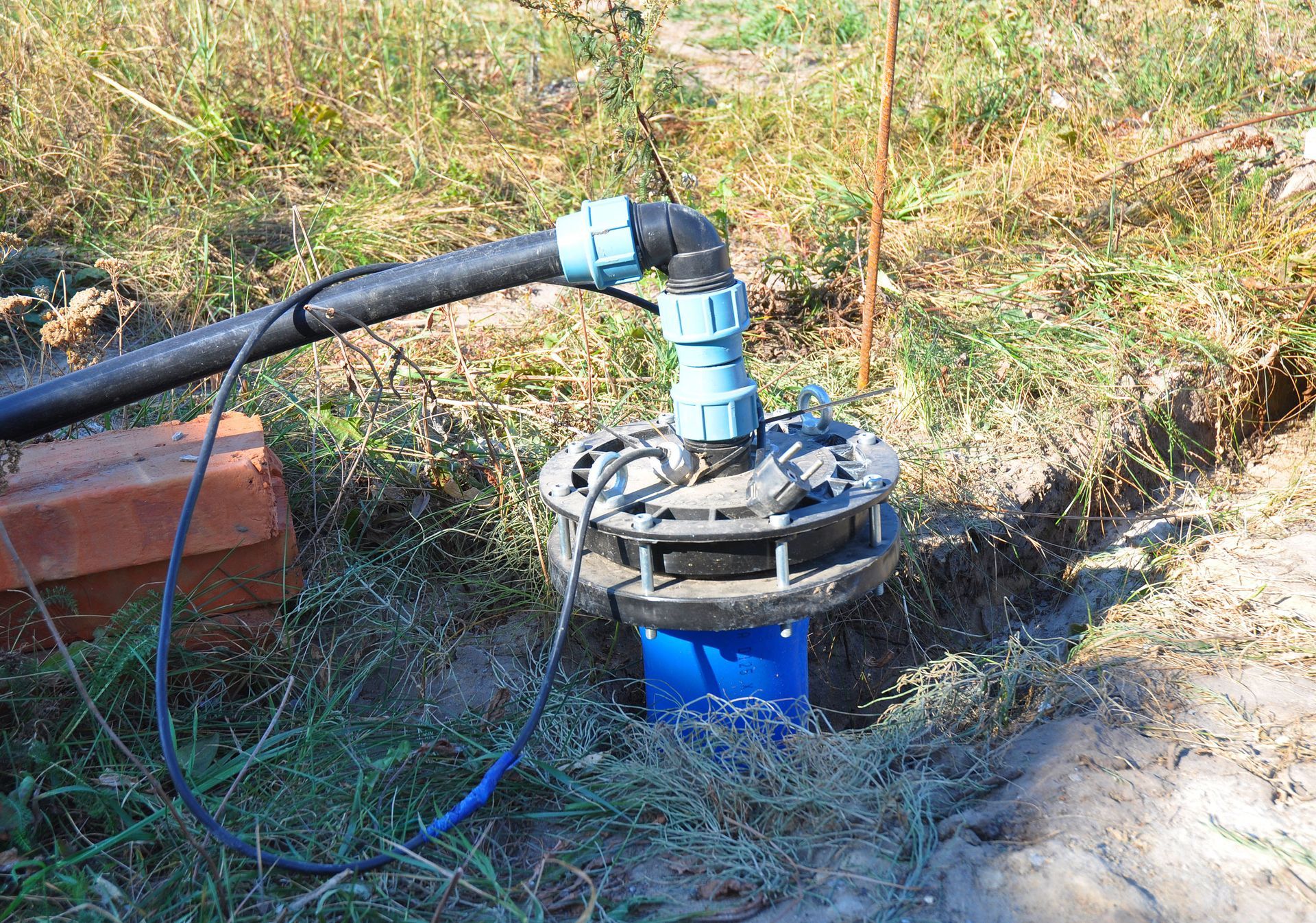
After the borehole reaches the required depth, casing is installed to support the well and protect the water supply. Casing creates a durable barrier between the well opening and surrounding earth, helping prevent collapse and reducing opportunities for surface contaminants to enter groundwater. Materials and dimensions vary according to local regulations, geological conditions, and well design.
A sanitary seal or grout may also be installed around portions of the casing. This barrier helps prevent water from traveling downward along the outside of the casing and carrying contaminants into the aquifer. Proper casing and sealing are critical because they contribute directly to structural stability and long-term water quality. Installation must therefore follow applicable construction standards rather than simply focusing on reaching groundwater.
Developing the Well and Evaluating Water Flow
A newly drilled well usually requires development before it is ready for regular operation. Development removes fine sediment, residual drilling material, and other debris from the borehole and surrounding formation. Contractors may use pumping, air lifting, surging, or other methods to improve the connection between the well and the water-bearing formation.
During this stage, well services may evaluate flow rates and observe how groundwater levels respond to pumping. These measurements help determine whether the well can provide a sustainable supply for the property's expected demand. Pumping too aggressively can cause unnecessary drawdown, while an appropriately sized system balances household or facility needs with the well's natural production characteristics.
A properly planned water well can provide dependable service for many years, but its performance depends on careful decisions throughout the drilling and installation process. Site evaluation, regulatory compliance, appropriate drilling methods, durable casing, accurate pump sizing, water testing, and ongoing maintenance all contribute to the finished system. By understanding each stage and working with qualified professionals, property owners can approach a new well project with clearer expectations and establish a water supply designed for dependable long-term use. Contact our team at Ace Well Drilling today and learn more about our well drilling services.